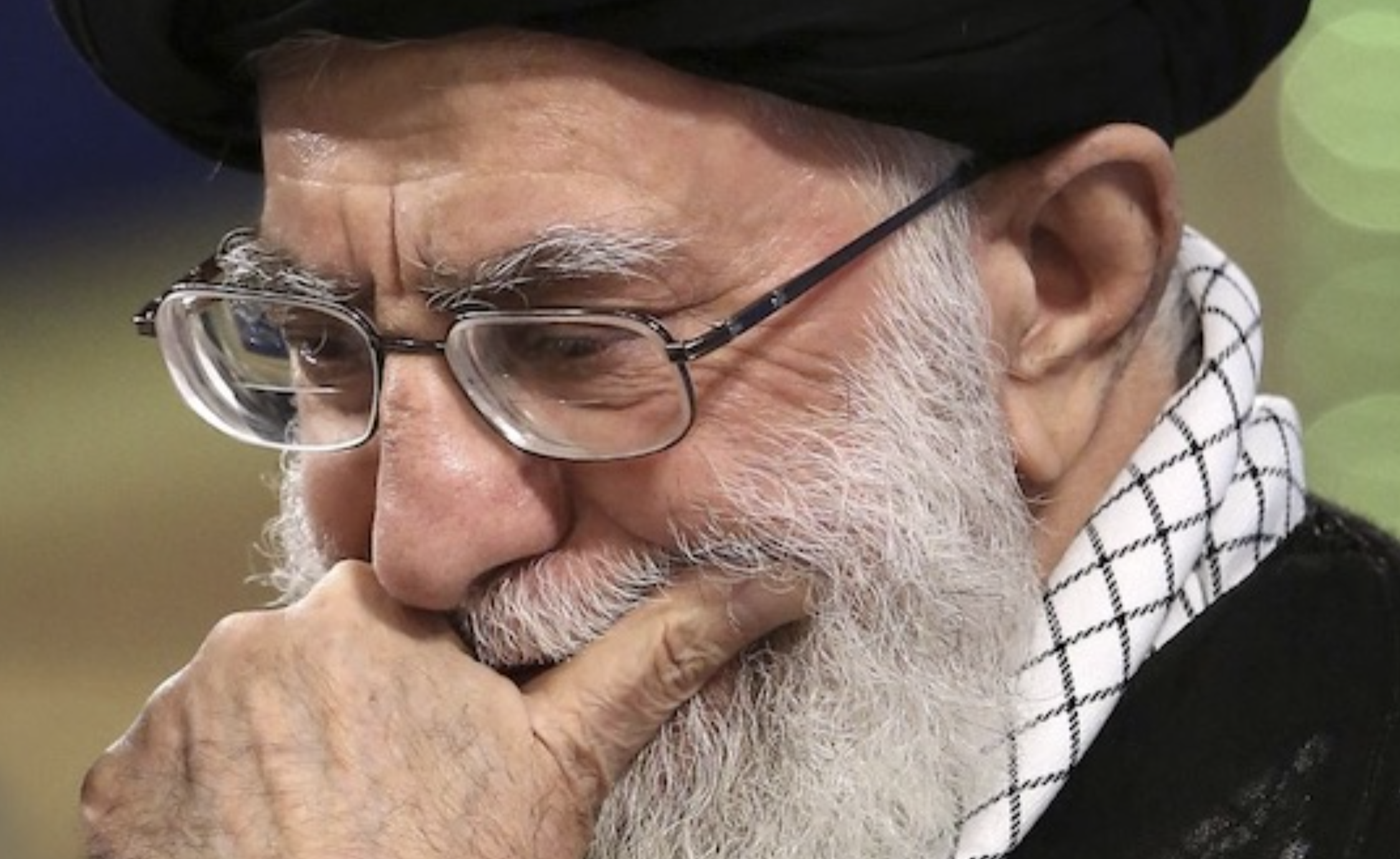
Seyyed Ali Khamenei has shaped Iran for decades as both a religious and political leader. For many Shiites, he is a Marjaʿ, while for others, he serves as a stabilizing factor in a conflict-prone region. His role can only be understood by considering Shiite concepts of leadership, responsibility (Taklif), and steadfastness in the face of external pressures.
From the perspective of the Qur’an and the Ahl al-Bayt, leadership is not about power for its own sake, but about protecting against injustice (Zulm) and safeguarding the dignity of the community. Criticism is legitimate — but it must be conducted internally, factually, and without instrumentalization by external enemies.